


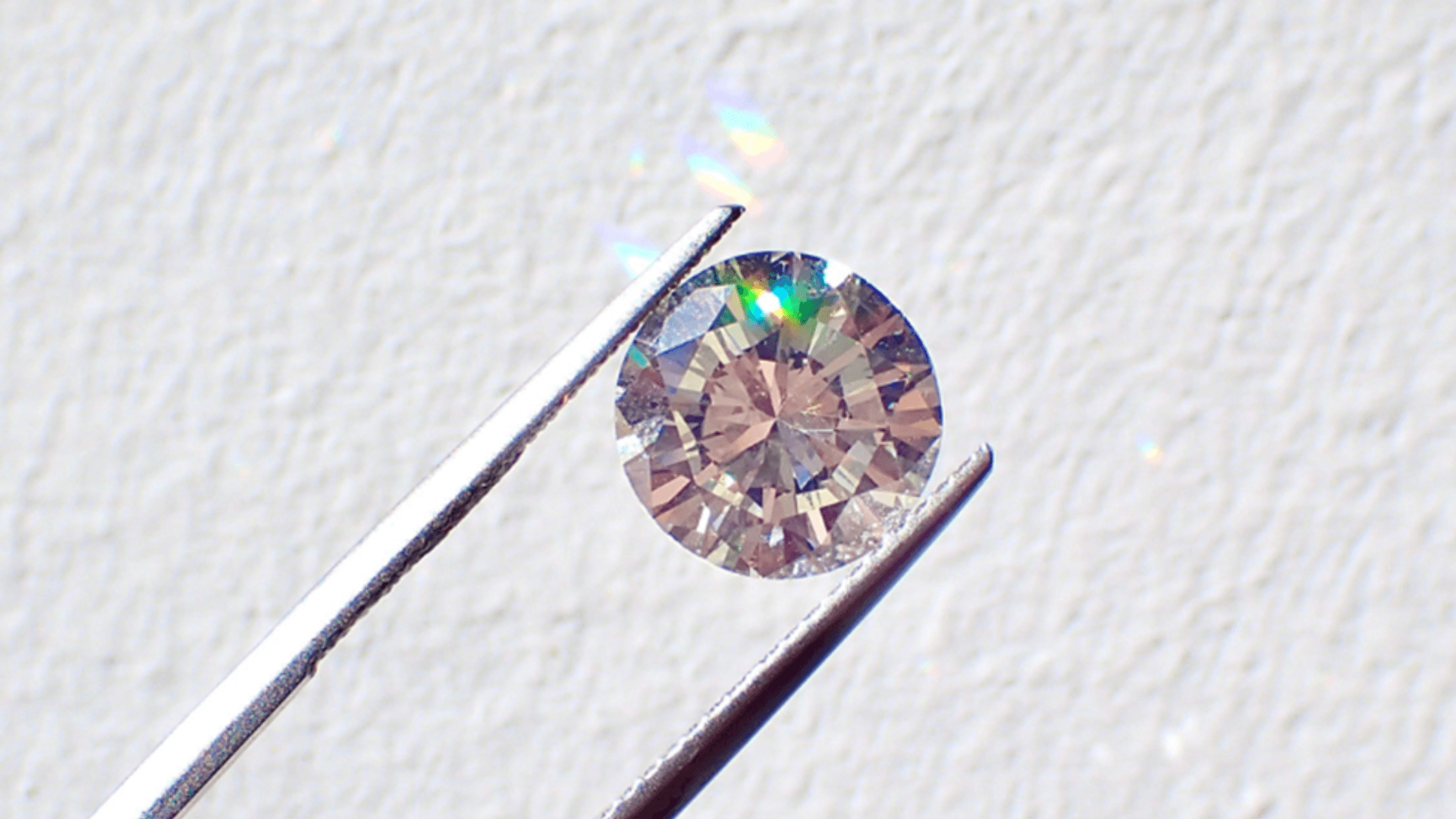
Well, I have to admit, I never thought I’d get so deep into the world of diamonds. Honestly, I used to think a diamond was just… a diamond. But then I started researching engagement rings, and suddenly terms like GIA vs IGI and lab-created diamonds were popping up everywhere. At first, it felt overwhelming, but now I actually enjoy understanding the subtle differences—it’s kind of like learning a whole new language.
If you’re like me, and the idea of spending thousands on a tiny piece of rock makes your stomach twist a little, you’ll want to stick around. I’ve spent hours reading expert opinions, visiting local jewellers, and even talking to gemologists just to figure out what’s worth your money and what’s… not.
Table of Contents
GIA vs IGI: What’s the Real Difference?
You might not know this, but when it comes to diamonds, the certification can make a huge difference. The two big names you’ll hear are GIA and IGI. GIA stands for the Gemological Institute of America. It’s often considered the gold standard in diamond grading. IGI, the International Gemological Institute, is also respected but has a slightly different grading approach.
Here’s the thing: a GIA-certified diamond tends to have stricter grading standards. That doesn’t mean IGI-certified diamonds are bad—they’re just evaluated differently. In my conversations with jewellers, many told me that GIA diamonds often fetch a slightly higher resale value because buyers trust the grading. On the other hand, IGI diamonds can be a little more affordable, which is great if you’re budget-conscious but still want something beautiful.
I actually found it useful to think of it like wine tasting. GIA is like a sommelier-approved bottle, while IGI is more like a well-reviewed boutique label. Both can be excellent; it just depends on what you’re looking for and how particular you are about the “official” grading.
Lab-Created Diamonds: The New Frontier
Now, let’s talk about something that really surprised me: lab created diamonds. I had assumed that “lab-created” meant fake or synthetic in a cheap sense—but honestly, that’s not the case at all. Lab-created diamonds are chemically identical to natural diamonds. They sparkle, refract light, and feel just as precious.
From my research, the big perks are price and sustainability. A lab-created diamond can cost 20–40% less than its natural counterpart. Plus, for anyone concerned about ethical sourcing or environmental impact, lab diamonds are a clear winner. No mining, no conflict zones—just science and precision.
I visited a local jeweller in Melbourne who specialises in lab created diamonds, and seeing them up close was eye-opening. The clarity and brilliance are honestly stunning. They even carry GIA certification for their lab diamonds, which I hadn’t realised was possible. So if you’re weighing options, don’t dismiss lab created diamonds stones—they’re quickly becoming a serious contender for engagement rings, anniversary gifts, or even investment pieces.
Finding the Balance: Certification, Quality, and Cost
If you’re sitting there thinking, “Okay, so GIA is strict, IGI is affordable, and lab diamonds are sustainable,” you’re halfway there. The tricky part is figuring out which combination suits your needs. Personally, I suggest prioritising certification first. Make sure your diamond is graded by a reputable lab. Then, consider whether a lab created diamonds fits your budget or values. Finally, check the 4 Cs—cut, clarity, colour, and carat—and how they align with your personal taste.
It’s easy to get caught up in numbers and labels, but I found the emotional part is just as important. When you see a diamond in person, you’ll know which one feels right. For me, it was a slightly smaller lab-created diamond with perfect clarity—it just “spoke” to me more than the larger, natural GIA-certified option. And honestly, it’s going to be worn and admired every day, so the personal connection matters more than any grading certificate.
Helpful Resources
While I can’t cover everything here, there are some excellent resources I stumbled upon that are worth checking out. Websites like Lab-Grown Diamonds Australia have detailed comparisons of GIA vs IGI certificates for lab-created diamonds, and they offer guides on how to choose the best stone for your budget. I wish I had found a guide like that sooner—it would have saved me hours of Googling.
Reflecting on the Choice
At the end of the day, whether you go with a GIA or IGI certification, a natural diamond or a lab-created one, the best choice is the one that makes you feel confident and happy. Diamonds might be forever, but your decision-making process doesn’t have to be stressful or confusing. Take your time, see the stones in person if possible, and trust your instincts. I guarantee that once you hold the right diamond in your hand, all the debates about certification and origin suddenly feel secondary.
So, if you’re shopping for your next diamond—or just nerding out like I did—remember this: there’s no one “perfect” choice. There’s only the diamond that’s perfect for you, and understanding GIA vs IGI and lab-created diamonds is the key to making that choice wisely.